
Wedding Invitation Etiquette
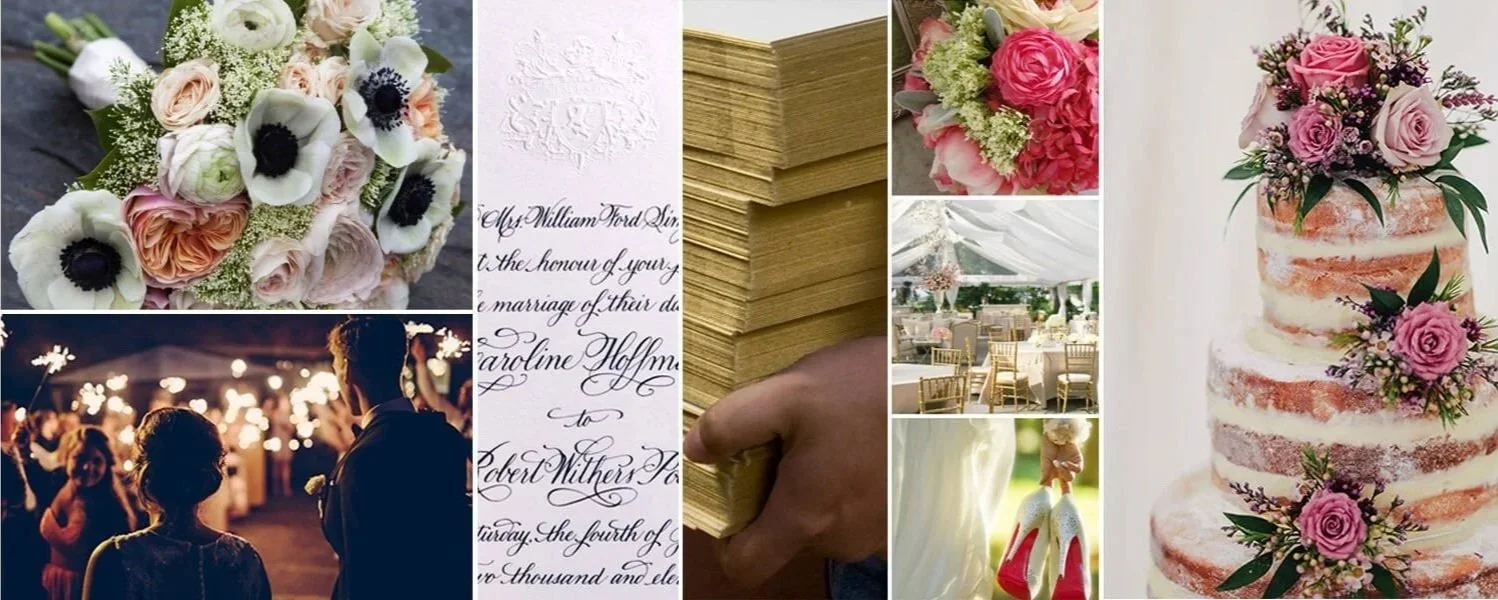
Wedding Invitation Etiquette: What Matters Now
Weddings have become more personal, more expressive—and, in many ways, less predictable. But the invitation remains the one place where clarity, tone, and intention still matter most.
Before the venue is revealed, the dress is seen, or the champagne is poured—your wedding invitation tells people how to show up. But, not in the ways you might expect. In 2026, knowing what matters (and what doesn’t) is the difference between a guest experience that feels effortless and inviting, and one that quietly makes a guest uncomfortable or less intrigued.
What Hasn’t Changed—And Never Will
Trends come and go. Good manners and well-heeled communication do not.
The purpose of a wedding invitation is still threefold. First, to clearly communicate essential details; second, to set the tone of the event; and last, to make your guests feel considered. That last point is where many modern weddings quietly fall short. As expectations around etiquette have softened, clear communication has become less instinctive—and more often overlooked. The concept, however, is simple: guests should never have to digest over-stated assertions or decode your plans.
If they do, the first impression has already been made—and it feels subpar.
The Shift
Today’s couples often want their wedding to feel relaxed, editorial, even unconventional.
That’s a beautiful shift.
The issue is when style replaces structure, overlooking structure’s role in highlighting and even elevating the beauty of a couple’s unique style. A beautifully designed invitation that omits key information—or buries it across multiple platforms—creates friction. Friction is the enemy of a seamless guest experience.

What works now
A clear hierarchy of information
Thoughtful use of supplemental cards or digital support
Language that feels natural, but still precise

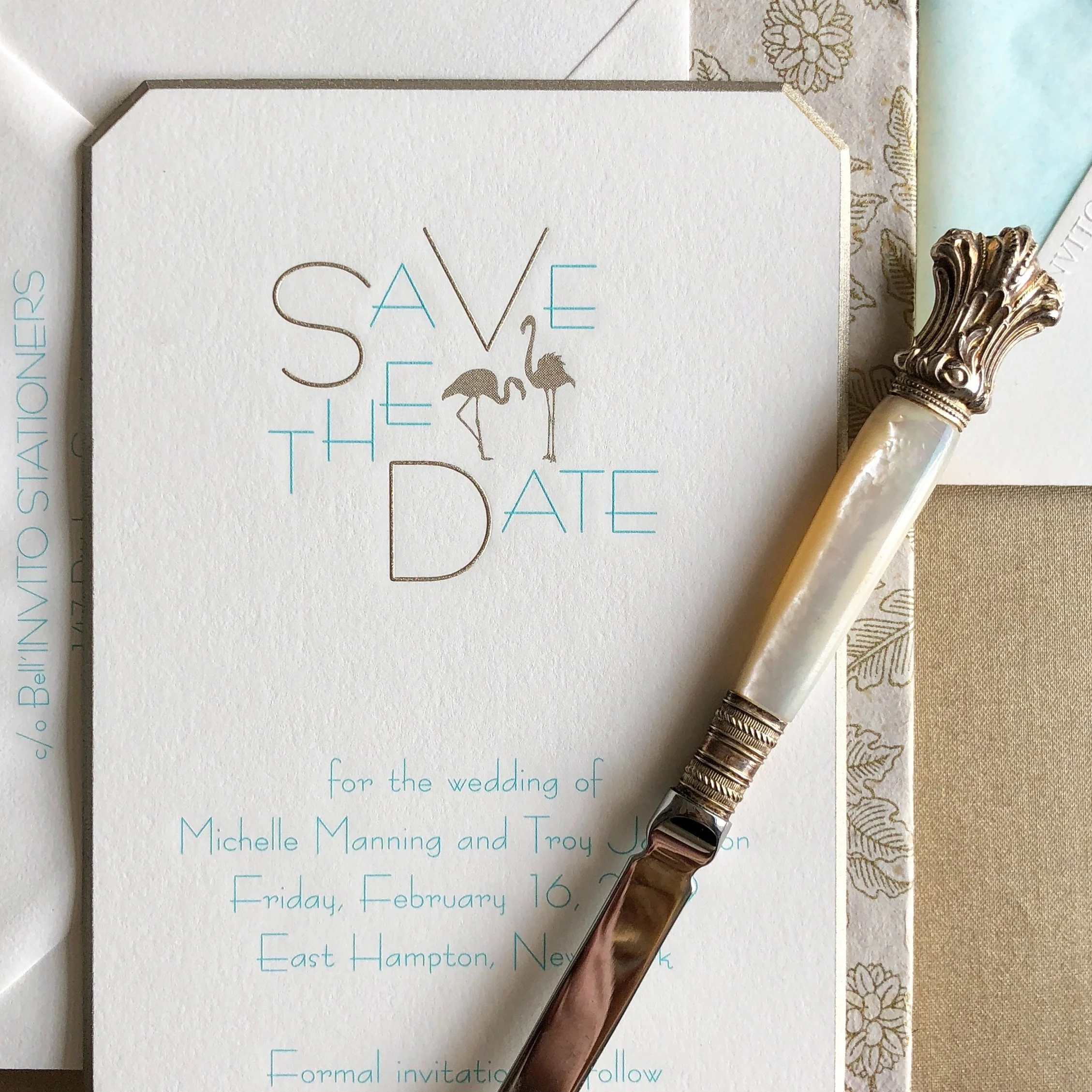
What to avoid
Over-reliance on wedding websites for basic logistics
Ambiguity around timing, dress code, or guest inclusion
“Creative” wording that sacrifices clarity
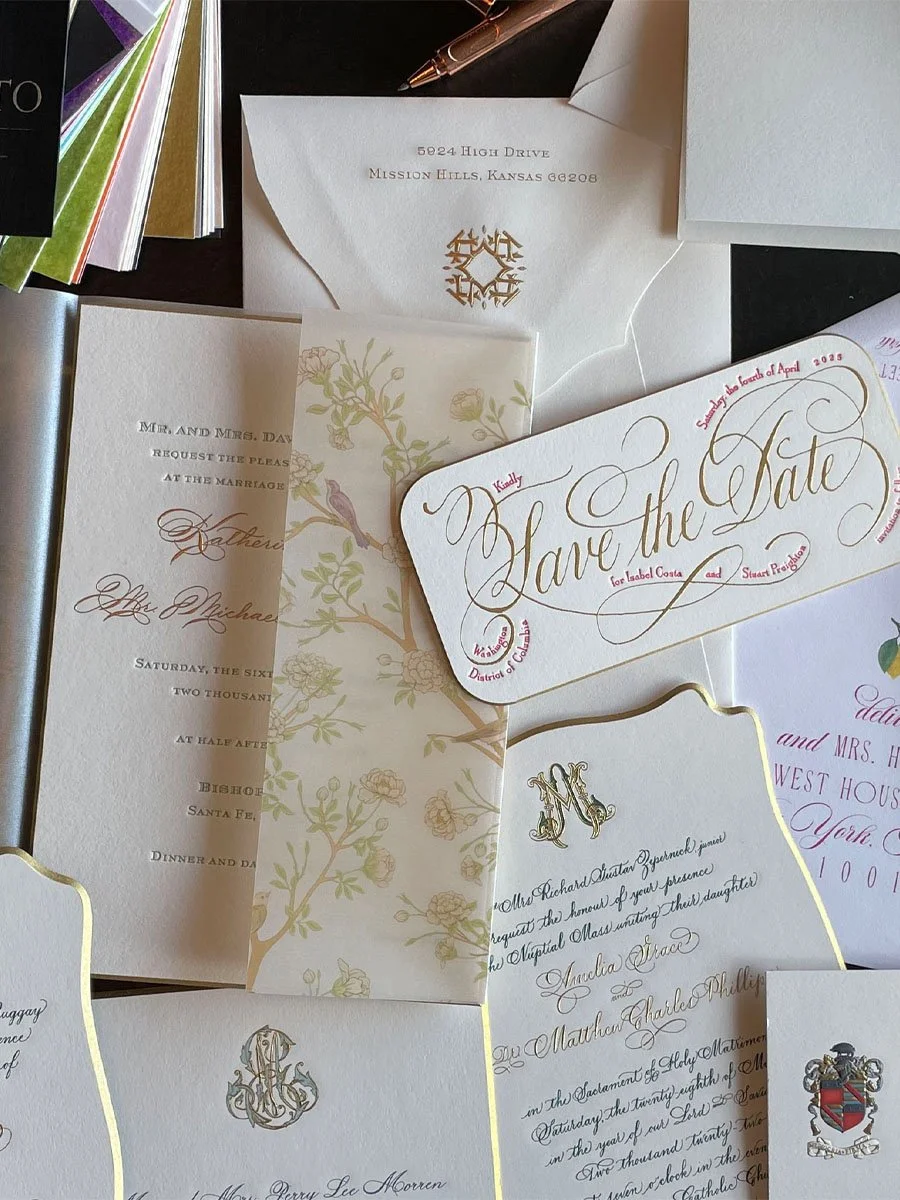
When Should You Send Wedding Invitations?
Timing is not a suggestion. It’s part of the experience.
Save the Dates: 6–12 months ahead (earlier for destination weddings)
Invitations: 6–8 weeks before the wedding
Invitations without Save the Dates sent prior: 9–12 weeks before the wedding
RSVP deadline: 3–4 weeks before the wedding
Just as important is when you begin. In a get-it-now culture, the timeline required for custom, luxury wedding invitations is often overlooked.
When to Order Wedding Invitations
These timelines reflect upscale processes like engraved invitations, letterpress, embossing, foil stamping, die cutting, and edge painting—far beyond the quick turnaround of flat-printed mass-market invitations.
8–10 months out: Book your custom invitation designer. Get the budget and timeline set to avoid rush fees. You do not need all details finalized, but you do need to get on a design schedule and check pricing and timelines if a custom design is what you intend to accomplish. See what custom wedding invitations cost, or Start My Custom Order →
6–7 months out: Place your order and begin the proofing process. Refine design, text, colors, and guest count during these months.
5 months out: Approve proofs. Confirm all details—venue, names, dates, quantities. Ensure etiquette is correct for your specific occasion. This should be done with an expert trained in both etiquette and your specific printing processes. If you used a graphic designer without etiquette training or specific fine-printing file setup expertise, hire a consultant to do a look-over for potential errors or printing pitfalls you will not know exist in your files.
3 months out: Have envelopes ready for addressing—whether they are being digitally printed or prepared for calligraphy.
10–12 weeks out: Have your full suite ready for assembly if you’re not having a concierge assembly and mailing service do it for you.
6–8 weeks out: Mail invitations, having them hand-canceled at the post office. Some post offices will require you to do it yourself, some might charge, but many will still do it for free on request.
What Is Included in a Wedding Invitation Suite?
A complete, well-executed suite doesn’t have to require any more than a well-written invitation card. That said, modern wedding invitations, with multiple events and digital response options, may require additional inserts. Here’s how to tell what you need:
The invitation card (who is hosting, who is marrying if different than the host, what day and date is the event, and where specifically guests should arrive)
A mailing envelope with the guests who are invited to the wedding clearly stated by name. No guests in the household that are included should be left off, and no one whose name is not included is assumed to be invited.
“Double envelopes” or an “inner envelope” is used to convey a more upscale occasion—even if it is not necessarily formal. If used, the head(s) of the household are the only names listed with the mailing address on the outer envelope, and the names of each guest invited from within the household are listed for clarity on the inner envelope. No one whose name is not listed is invited to attend. If children, or children of a certain age, are invited—their names should be clearly listed.
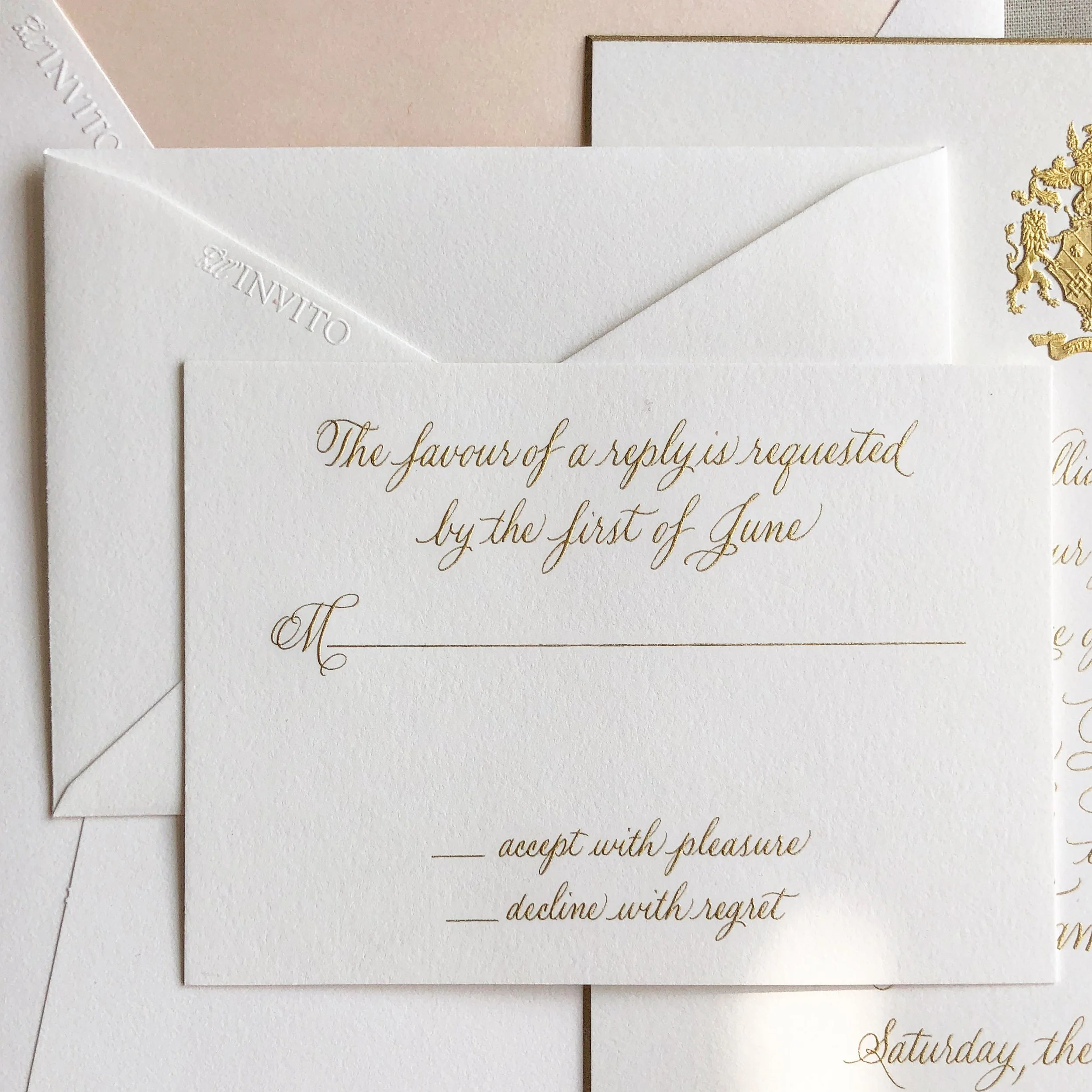
The words “kindly reply” can simply be added to the bottom corner of the invitation. In the (mostly modern) event that a reply is requested in a specific way, like an email, phone number, website, or QR code, a separate card is included to keep the formality of the invitation consistent. On a decidedly casual invitation, one reply method, like a phone number or email can be included at the bottom of the card.
If a written reply ( a lovely, timeless keepsake) is requested, a separate card with a stamped, self-addressed reply envelope is included. To see the correct ways to format a reply card, look here. A guest should always have enough room to write a line or two of well-wishes on a reply card that will be mailed back.
A Details Card (timing, transportation and accommodation logistics, itinerary for events that the recipient is invited to attend) can be included and should match the look, design, and feel of the rest of the pieces, but can be decidedly less expensive. For example, this can be digitally printed on less expensive paper, but it should coordinate with the rest of the invitation pieces seamlessly. This should never include registry or mention of gifts.
Additional event invitations (rehearsal dinner, brunch, cocktail hour): when hosted by someone other than the wedding host, these are typically sent separately. If a cohesive wedding weekend invitation suite is preferred, all events may be included in one curated package. Proper wording is essential so each host is represented appropriately. Incorrect or unclear host attribution can lead to confusion or unintended offense, so experienced guidance is recommended.
Etiquette Details Guests Still Notice
Guests may not comment on your paper weight—but they feel it. They may not analyze your wording—but they respond to it. Here’s what quietly shapes their experience:
The Envelope
Your envelope sets expectations before the invitation is even opened. Names should be correct, formatting intentional, and nothing left open to interpretation as to who is invited.The Dress Code
Traditionally, elegant invitation issuers would not include attire guidance; it was assumed guests understood how to dress for the occasion. Today, expectations have shifted, and guests appreciate clear direction.While guidance is welcome, placement and clarity matter. It is still considered inappropriate to include dress code instructions for a ceremony held in a place of worship. For this reason, attire wording should be connected to the reception, not the ceremony. If the ceremony is not in a place of worship, this distinction is not necessary.
On wording: clarity should always take precedence over creativity. If a guest cannot easily understand—or even search—and arrive at a clear interpretation of the expected attire, the wording has missed its purpose. Clear direction is not overbearing—it is considerate or lacking consideration. There is no middle.
The RSVP Experience
This is where luxury either holds—or disappears. Response cards with crammed form-like requirements look unsophisticated. Pre-addressed envelopes, seamless digital responses, and clear deadlines all matter.What Is’t There
What remains unsaid in a wedding invitation is often the clearest indicator of one’s understanding of etiquette.Requests to exclude children, references to a gift registry, and additional directives around attire do not belong on the invitation itself. These details, while practical, are best communicated quietly—through a wedding website or word of mouth—where they can be received with far more grace. A well-composed invitation informs. It does not instruct.
If you’re unsure how to navigate these nuances, book a brief etiquette consultation to provide clarity—what to say, how to say it, and who should be guiding the process. An investment in your first impression is well worth the time and minimal expense.
The New Standard of Good Taste
Today’s best weddings feel effortless. But that effortlessness is intentionally orchestrated, designed, and produced by an industry of quiet experts. It comes from thoughtful communication, respect for your guests’ time and experience, and an understanding that every detail signals something. Wedding invitations are still the introduction that signals a couple’s entrance into the world together.
Your invitation is not just paper. It is the entrance—well before your walk down the aisle or your introduction under the applause of a waiting room of friends and family.
It sets the tone, shapes expectations, and lingers long after the moment has passed.
These are the pieces that are kept—tucked into albums, saved in drawers, and revisited for decades to come.
Work With Heather
If you don’t want to think about any of this—and would rather have it handled correctly, with every detail considered the first time, book a private consultation.